Signs a Shower Problem May Be More Than a Grout or Caulk Repair
A shower may need replacement when leaks continue, tile or walls show widespread damage, the base moves, or the waterproofing has failed. HomeRemodelBellevue.com checks the visible damage, hidden moisture, and layout before recommending repair, conversion, or replacement.
Request an EstimateWhen Does a Shower Need More Than Grout or Caulk Repair?
Shower problems need more than surface repair when damage keeps returning or moisture has reached the backing, framing, subfloor, or nearby rooms.
Grout repair can address a local failed joint. Caulk repair can seal a movement joint or fixture edge. Neither repair can restore a failed waterproofing system behind the tile.
Our team checks the source of a shower leak before choosing a repair. We look for moisture paths, damaged materials, and signs that shower replacement is the safer remodeling path.
Signs Your Shower May Need Replacement
Shower replacement becomes more likely when damage affects several parts of the assembly.
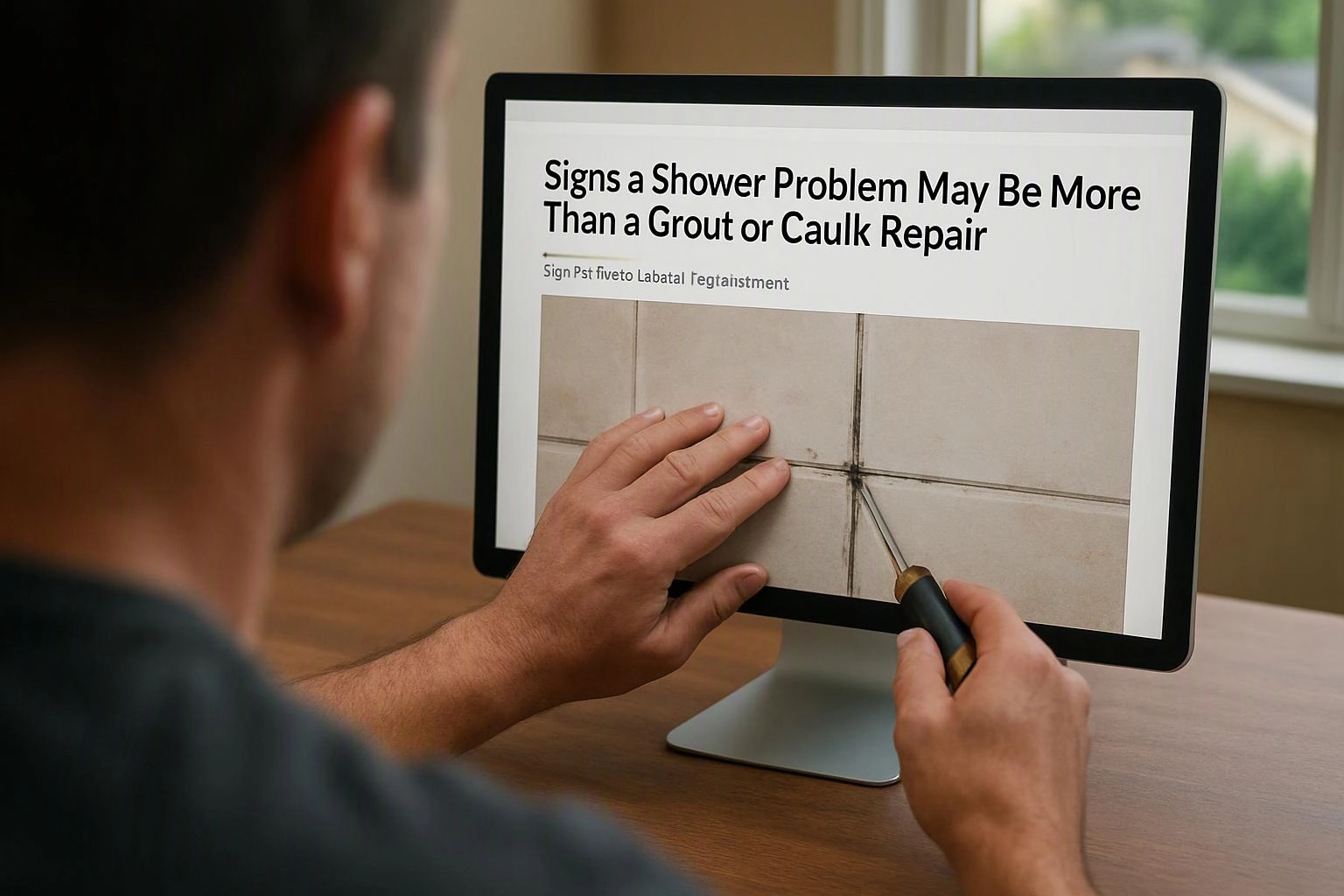
Watch for loose or cracked tile, soft shower walls, water stains, mold, and a shower pan that moves. These signs can point to water damage behind the finished surface.
We examine the shower walls, pan, tile, drain area, and nearby finishes. Our recommendation depends on whether the underlying structure remains stable and dry.
Mistake: Treating Repeated Leaks as a Grout Problem
Repeated shower leaks often mean moisture is passing through a failed waterproofing system. New grout may hide the symptom, but water can keep reaching the wall backing or floor.
The cost grows when water damage spreads into framing, finishes, or the subfloor. We trace the leak, remove affected materials when needed, and repair the damaged assembly.
Mistake: Sealing Cracks Without Checking Behind the Tile
Cracked shower grout can occur with movement, tile stress, or moisture behind the surface. A leak behind tile may continue after the crack is sealed.
Surface sealing can become wasted work when the wall backing already has moisture damage. We inspect the tile assembly and choose localized repair or a broader rebuild based on the findings.
Mistake: Ignoring Soft or Swollen Shower Walls
Soft shower walls and swollen drywall are warning signs of hidden moisture. Cement board can also lose stability when water reaches joints or framing.
Wall damage can spread behind tile and increase demolition needs. We check the backing, wall framing, and moisture path before rebuilding the wet area.
Mistake: Keeping a Shower Pan That Moves or Holds Water
Moving shower floors and standing water can point to pan movement, poor drainage, or subfloor damage. A flexing shower floor can also stress tile and grout joints.
A pan repair may not solve movement below the surface. We assess the pan, drain connection, slope, and subfloor before recommending repair or pan replacement.
Mistake: Covering Mold Without Finding the Moisture Source
Shower mold returns when moisture remains trapped or ventilation cannot control damp conditions. Mold and mildew can also signal a waterproofing failure.
Covering the growth leaves the cause in place. We identify the moisture source and address damaged materials, ventilation concerns, or waterproofing before refinishing the area.
Mistake: Replacing Loose Tiles Without Checking the Substrate
Loose shower tile may result from failed thinset, water intrusion, or an unstable tile substrate. New tile will not hold well on a damaged base.
Replacing only the visible tile can lead to repeated failure. We check wall stability and moisture before setting replacement tile or rebuilding the affected section.
Mistake: Repairing Damaged Caulk Around Every Joint
Failed shower caulk can open at corners, movement joints, or fixture penetrations. Those gaps may admit water, but caulk failure can also reflect movement in the assembly.
Repeated seal failure raises the risk of hidden damage. We inspect shower corners, fixture connections, and adjoining materials before completing caulk replacement.
Mistake: Choosing Surface Repairs for an Outdated Shower Layout
Shower layout problems cannot be solved with new grout or caulk. A cramped entry, high threshold, or poor fixture position may call for a larger bathroom remodeling plan.
We can review a tub-to-shower conversion or walk-in shower installation when the existing layout no longer fits your needs. Our team connects the layout choice with waterproofing, drainage, access, and finish work.
Our Tub To Shower Conversions service can create a more useful wet area when a surface repair would leave the main problem unchanged.
What We Check Before Recommending Repair or Replacement
Our shower inspection connects visible damage with the layers behind the finish. We use the findings to define a safe, clear scope of work.
We also consider code and inspection needs when plumbing or structural work changes. Our crew handles the work as part of the planned remodeling scope.
Can a Leaking Shower Be Repaired or Does It Need Replacement?
A leaking shower may be repairable when the damage is localized and the waterproofing remains sound; replacement is more suitable when leaks return or the underlying assembly has failed.
The visible leak location may not be the true source. We compare the condition of the tile assembly, waterproofing, shower pan, plumbing connections, and surrounding materials.
| Condition | Likely path | What we evaluate |
|---|---|---|
| A local failed joint with dry, stable materials | Localized repair | Grout, caulk, tile bond, and nearby moisture |
| A damaged section with limited water intrusion | Targeted tile or waterproofing repair | Backing, membrane, substrate, and plumbing |
| Returning leaks, widespread damage, or failed waterproofing | Shower replacement or rebuild | Pan, framing, subfloor, drainage, and complete tile assembly |
What Changes the Cost of a Shower Repair or Replacement?
Shower repair cost and shower replacement cost depend on the damaged layers, demolition needs, plumbing changes, materials, access features, and chosen design.
Surface work usually has a narrower scope than rebuilding a wet area with damaged framing or subfloor. Tile selection, pan design, fixture placement, and accessibility features can also change the work involved.
We explain the scope in a written estimate. Free Estimates Available.
When Should You Call HomeRemodelBellevue.com Instead of Repairing It Yourself?
Call HomeRemodelBellevue.com when the shower shows signs that surface work may not address the source.
Plumbing, waterproofing, and structural repairs can affect the safety and durability of the bathroom. We inspect the assembly and complete the regulated work as part of the remodeling plan.
Choosing the Right Next Step for Your Shower
Grout repair or caulk repair fits a small, isolated defect when the shower remains dry and stable. A localized shower repair fits limited damage that does not require rebuilding the full assembly.
Shower replacement makes sense when waterproofing, tile support, the shower pan, framing, or subfloor has failed. A tub-to-shower conversion or walk-in shower installation may be better when the bathroom layout also needs improvement.
We compare the visible condition, hidden moisture, and intended use before recommending a shower remodel. Contact HomeRemodelBellevue.com for a clear scope and next step.
Questions About Shower Repair and Replacement
What are signs of a shower leak behind tile?
Signs of a shower leak behind tile include soft walls, loose tile, water stains, musty odor, mold, and grout that keeps cracking. HomeRemodelBellevue.com checks the tile assembly and surrounding materials to trace hidden moisture.
Can cracked shower grout cause leaking?
Cracked shower grout can allow water into vulnerable joints, but the crack may also reflect movement or failed waterproofing. We check behind the grout before choosing a surface repair.
Can mold in a shower mean the waterproofing has failed?
Mold in a shower can mean moisture is trapped, ventilation is poor, or waterproofing has failed. We find the moisture source before covering or replacing affected finishes.
Is a shower replacement necessary when tiles keep coming loose?
Shower replacement may be necessary when loose tiles result from wet or unstable backing. We inspect the substrate, waterproofing, and wall stability before deciding whether tile replacement or a full rebuild fits.
Related Resources
How to Choose a Home Remodeling Contractor in Bellevue
Compared ToTub-to-Shower Conversion or Walk-In Shower: Choosing the Right Project
Why It MattersBathroom Remodeling for Aging in Place: Features That Support Easier Use
Why It MattersHome Remodeling Benefits: Livability, Satisfaction, and Resale Considerations