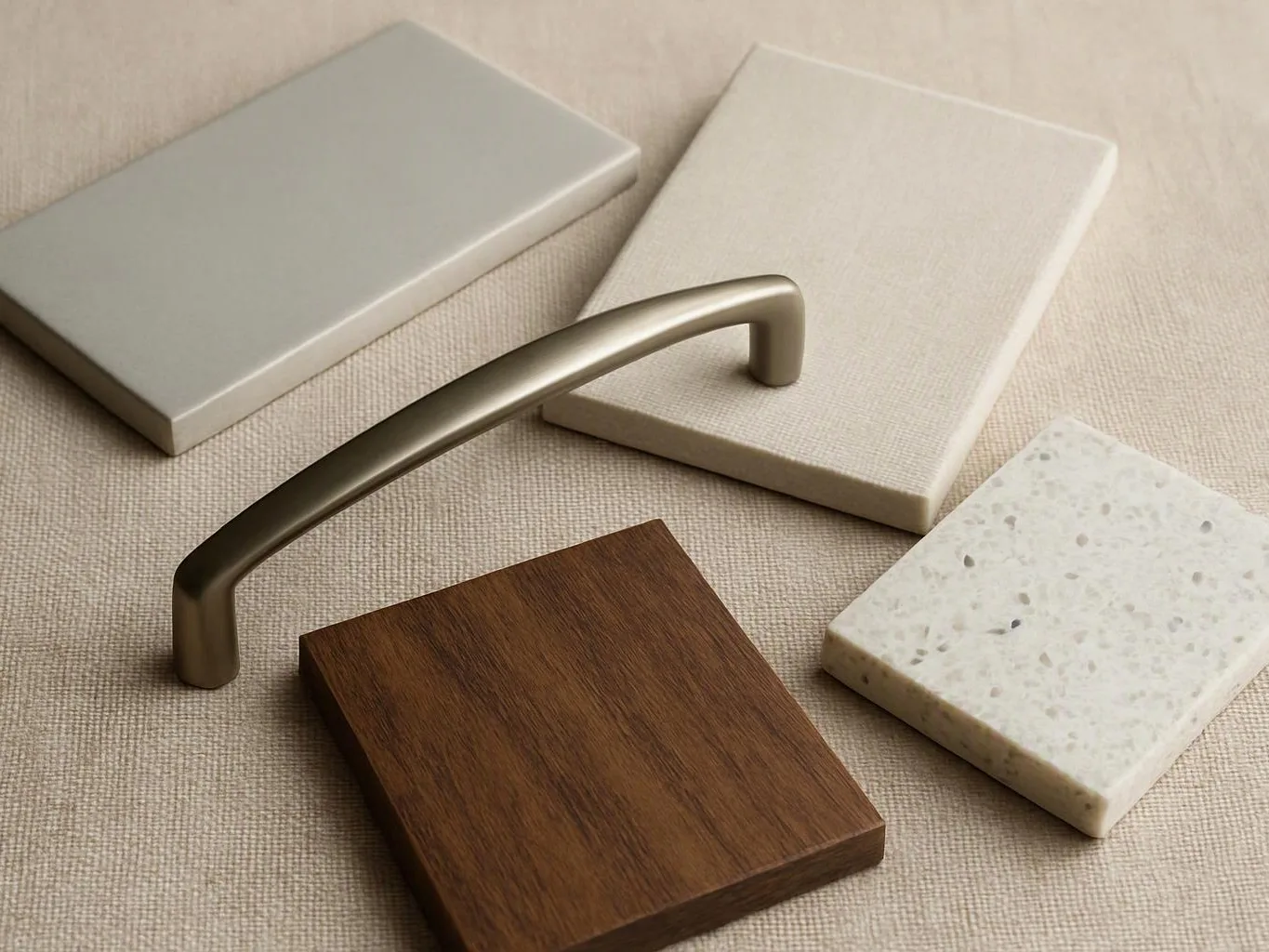
What materials are used for interior trim for Trim Carpentry?
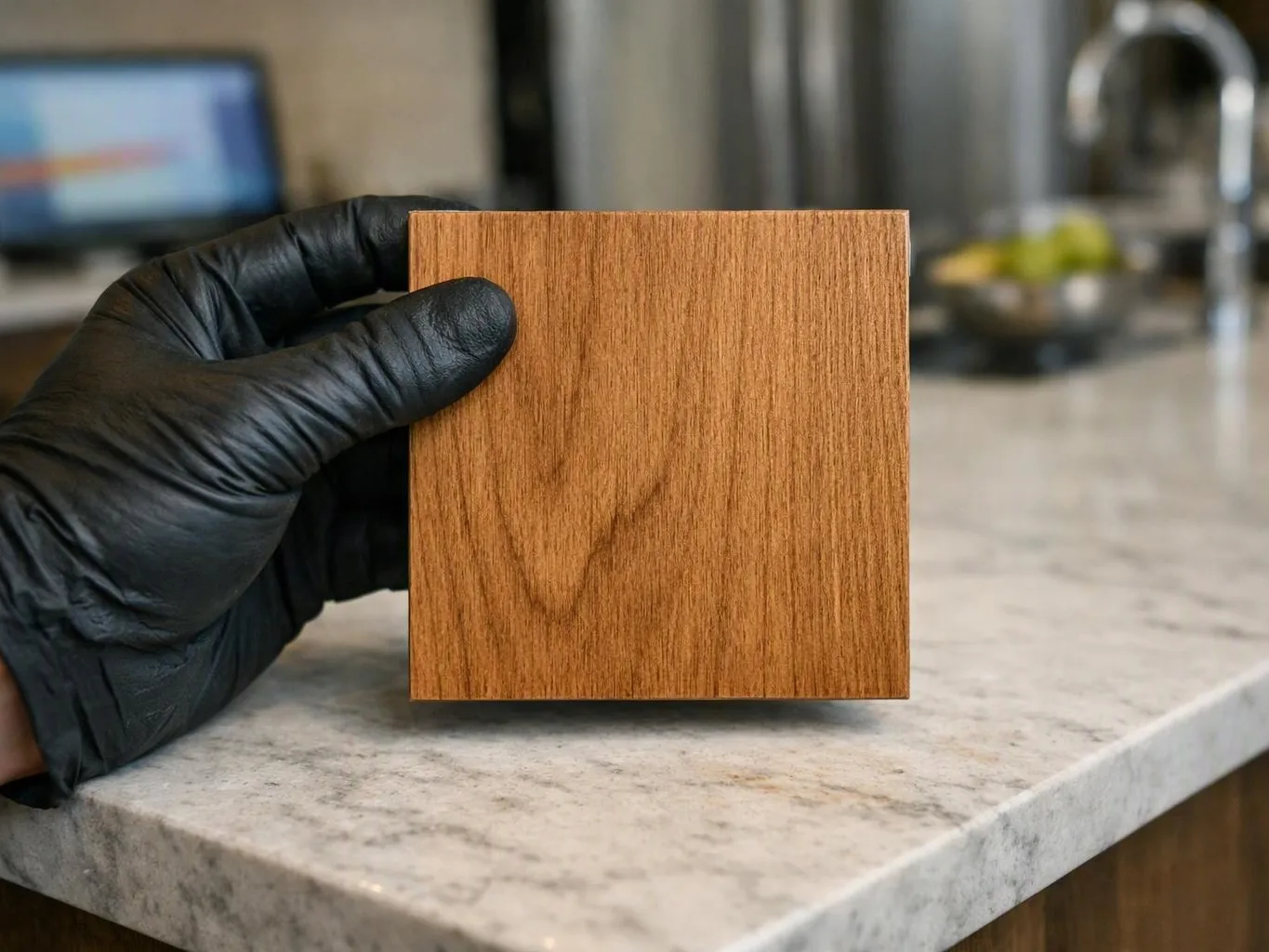
MDF is a common choice for smooth painted interior trim. Solid wood suits stained or natural finishes, while PVC trim, finger-joint boards, and polyurethane fit selected room and design needs. We compare the finish, moisture exposure, profile, and nearby materials before choosing. HomeRemodelBellevue.com installs the selected trim as part of a planned remodeling project.
How does a trim carpenter differ from a finish carpenter?
A trim carpenter focuses on interior mouldings, casings, baseboards, and other finish details. Finish carpentry is a wider term that can include trim, doors, stairs, built-ins, and detailed woodwork. Our remodeling work includes interior trim within a larger project when the room also needs flooring, painting, cabinetry, or other upgrades.
Which part of an interior trim job changes the quote?
The quote changes with the material, profile, room count, opening details, removal work, and finish requirements. Existing walls and floors also affect fitting because uneven transitions need more preparation. We review the rooms and related remodeling tasks first, then prepare a quote that reflects the planned work rather than a generic trim allowance.
When is trim carpentry the right service for a room?
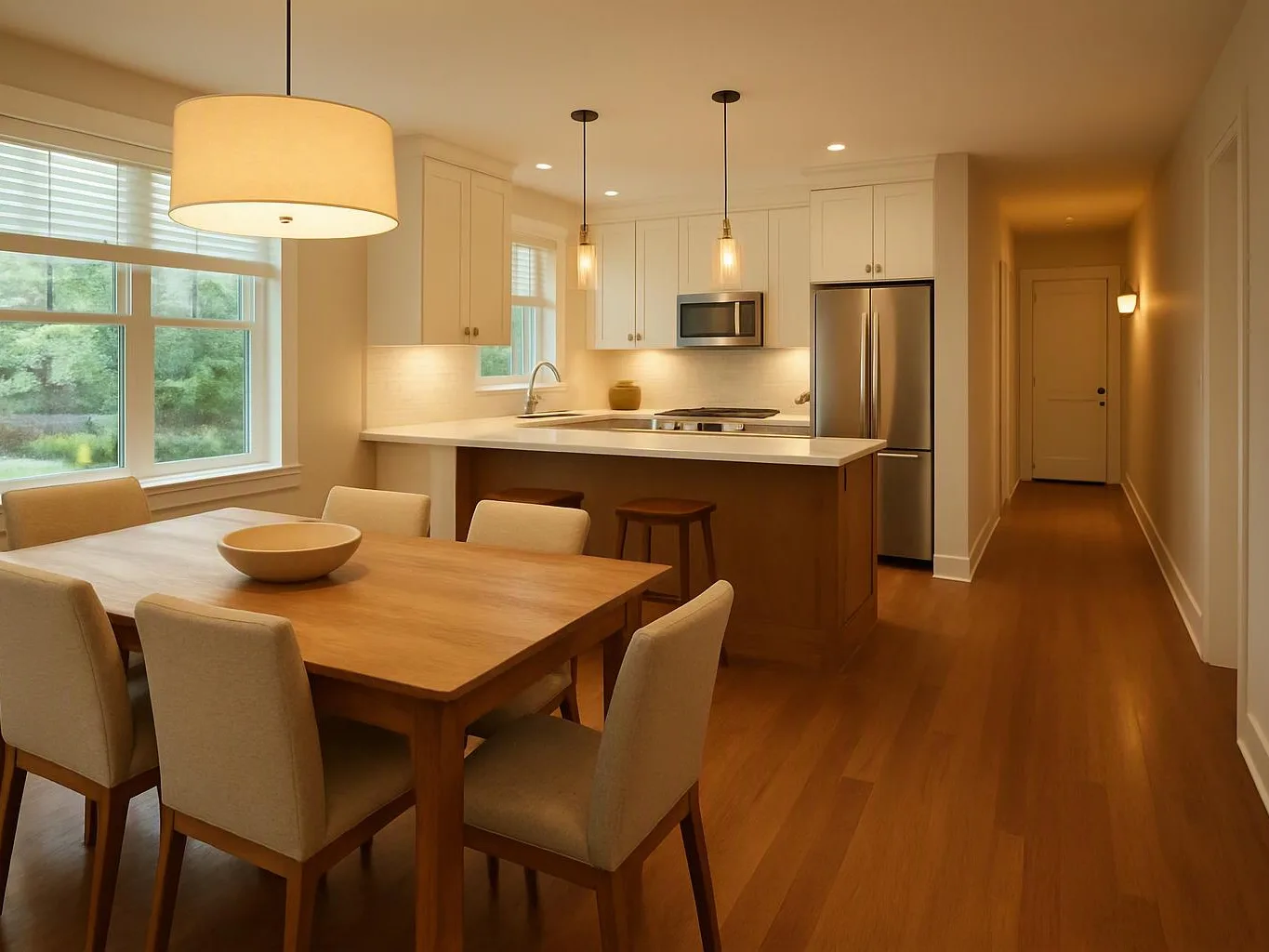
Trim carpentry fits rooms that need baseboards, casings, window trim, moulding, or a cleaner transition around finished surfaces. It is not the main service for structural framing, major moisture damage, or cabinet construction. We identify the main problem before setting the work, so the trim plan matches the actual remodeling need.
What happens first when interior trim work starts?
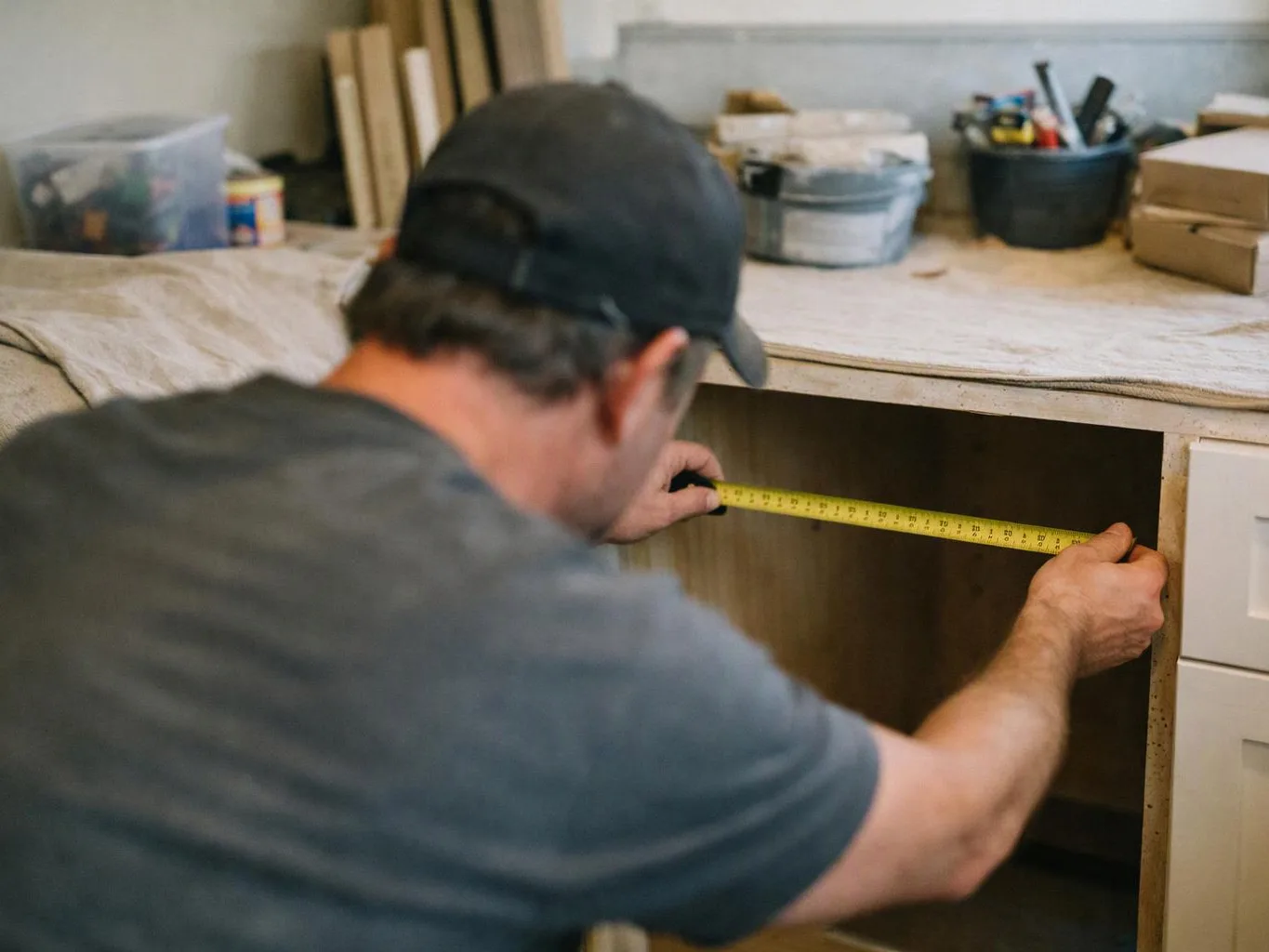
The first step is a review of the room, existing trim, openings, floor line, wall surface, and finish goal. We then discuss material and profile choices before planning cuts and installation. This check matters when new flooring or paint is part of the same remodel because those details change how the trim should meet the room.
Why do new trim joints need careful planning?
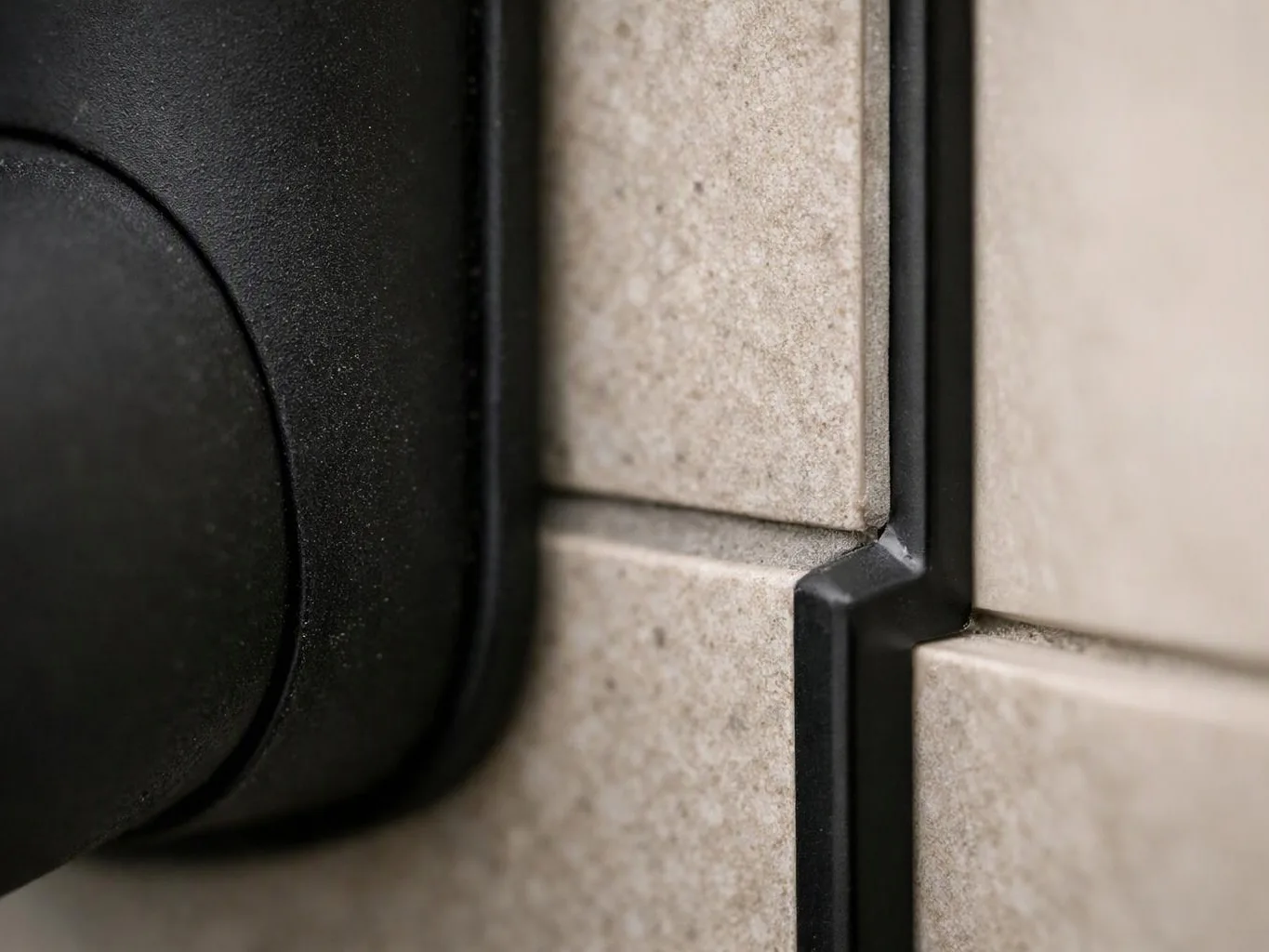
Trim joints need careful planning because corners, openings, wall lines, and material movement affect how the finished pieces meet. We check each connection before final fitting, then address gaps, uneven contact, and profile changes as part of the work. A matching plan matters most when new trim meets older moulding in the same room.