Moisture Warning Signs to Check Before Repainting or Replacing Drywall
Water damage signs before repainting include bubbling paint, soft drywall, stains, musty odors, peeling surfaces, and dry rot near openings. HomeRemodelBellevue.com checks the moisture source and damaged materials before our team paints or replaces drywall.
Request an Estimate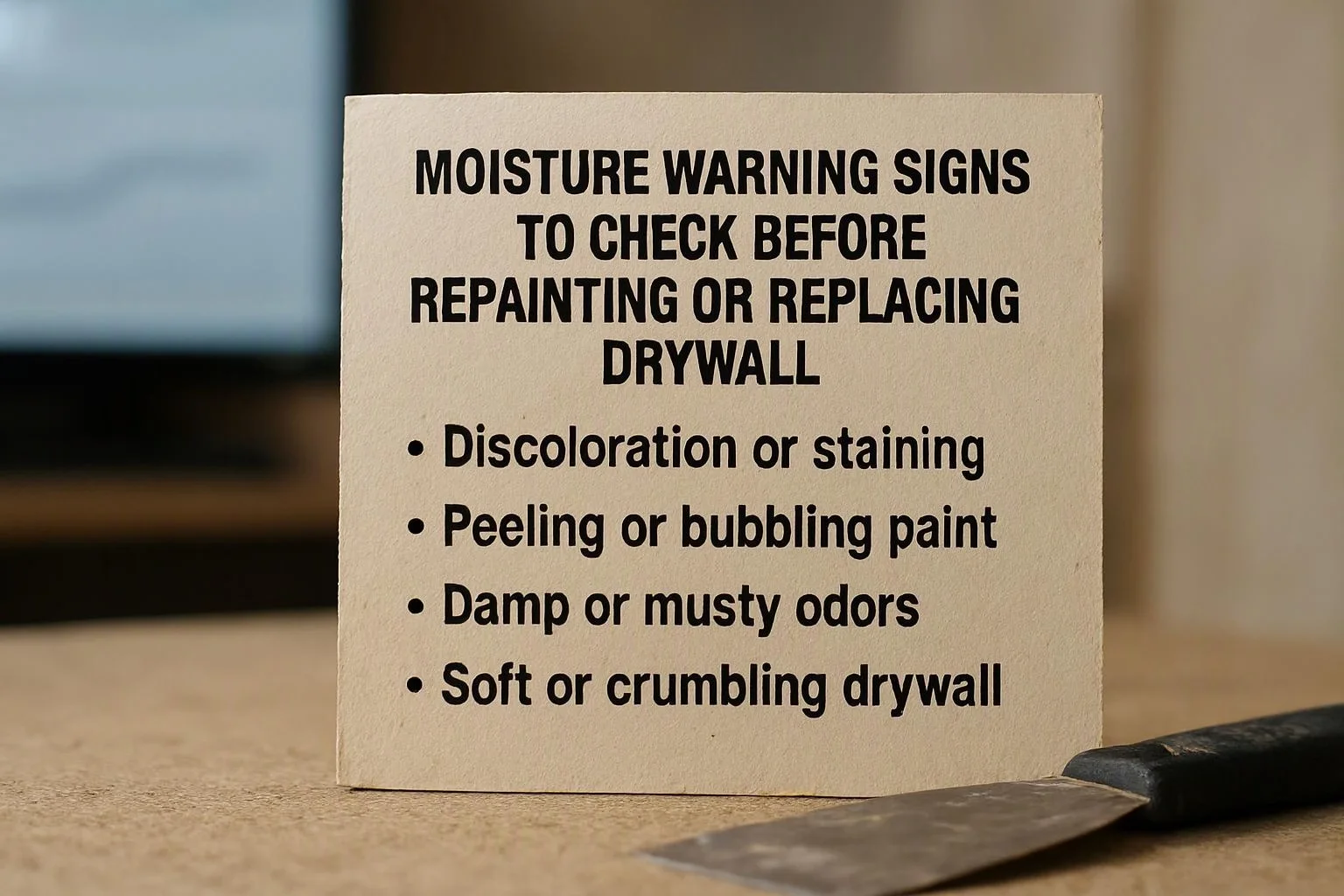
What to Check Before Repainting or Replacing Drywall
Water damage should be resolved before painting or drywall replacement because new finishes can hide active moisture.
Start by checking the moisture source, not just the visible mark. Plumbing leaks, roof leaks, window intrusion, and condensation can all affect drywall and interior paint.
Look for discoloration, soft spots, swollen edges, loose drywall paper, and changes around trim. We trace the affected area before planning surface preparation or interior painting.
Common Moisture Mistakes That Cause Repeat Damage
A rushed moisture inspection can leave wall damage behind new paint. Paint failure often returns when the source remains active or damaged materials stay in place.
Our team connects each visible warning sign to the repair scope. That approach helps us choose between cleaning, drying, drywall repair, drywall replacement, and finish work.
Mistake: Repainting Over Water Stains
Water stains usually need source control and proper preparation before repainting. A stain-blocking primer can improve coverage, but it won't stop an active leak.
We check whether the stain is dry and whether the drywall paper still holds paint adhesion. The repair cost changes when staining also involves damaged drywall, insulation, trim, or ceiling materials.
Our fix includes correcting the moisture source, preparing the surface, replacing unsound material, and applying compatible paint.
Mistake: Ignoring Bubbling or Blistering Paint
Yes, bubbling paint and blistering paint can signal trapped moisture below the finish.
Moisture can weaken the bond between paint layers and the wall surface. Covering the bubbles often leads to more paint failure and wider preparation needs.
We remove loose material, assess the wall beneath it, and confirm the surface is ready for new paint. The repair cost depends on the affected layers and whether the drywall also needs work.
Mistake: Treating Soft Drywall as a Paint Problem
Soft drywall usually means water has weakened the board, paper, or gypsum core.
Swollen drywall may crumble, bow, or lose its fastener support. Paint can't restore that strength, so drywall replacement may be needed.
We test the damaged area and inspect nearby seams and framing. The repair cost depends on the replacement area, access, insulation condition, and finish matching.
Mistake: Covering Up a Musty Smell
A musty odor can point to hidden moisture behind a wall or under a finish.
Paint may mask the smell for a short time, but hidden moisture can support mold growth and affect indoor air. We look for damp materials, staining, and airflow paths around the wall cavity.
The repair cost changes when removal, drying, or affected insulation and framing become part of the work. We coordinate the repair scope around the source and the condition of the materials.
Mistake: Overlooking Peeling Paint Near Windows
Peeling paint near a window can indicate window leakage, failed sealant, or wall moisture.
Window trim can direct water into the wall when joints or flashing no longer keep water out. We inspect the trim, sill, nearby drywall, and paint layers before refinishing.
The repair cost depends on whether the work needs paint preparation, trim repair, drywall repair, or correction of the intrusion source.
Mistake: Missing Dry Rot Near Baseboards
Dry rot near baseboards, window sills, or wood trim can appear as soft, cracked, crumbly, or discolored wood.
Water can travel behind the finish and damage trim before the wall looks severely stained. We check adjoining materials so the repair doesn't stop at the first visible defect.
The repair cost changes with the amount of affected wood and the need for trim carpentry. Our fix includes removing unsound trim, addressing moisture, and matching the repaired finish.
Mistake: Replacing Drywall Before Fixing the Source
New drywall should not be installed while a plumbing leak, roof leak, or window intrusion remains active.
A replacement panel can absorb water and repeat the same damage. We identify the moisture source first and define which work belongs in the repair scope.
The repair cost depends on source access, damaged materials, and the finish work needed after the source is corrected.
Mistake: Skipping the Drying and Inspection Stage
Drying and inspection confirm whether a wall is ready for repair and paint.
Moisture assessment includes the visible surface and, when needed, the wall cavity. We check for remaining dampness, weakened materials, odor, and conditions that could affect repair readiness.
The repair cost changes when drying, material removal, or added inspection becomes necessary. We proceed with surface preparation only after the wall can support the planned finish.
Water Damage Signs That Change the Repair Plan
Visible signs point to different repair needs, so one paint solution cannot fit every wall. The table shows how each condition can change our inspection and repair plan.
We also consider the moisture source, nearby materials, access, and the finish required after repairs.
| Visible sign | What it may show | Repair plan impact |
|---|---|---|
| Water stain | Past or active water intrusion | Source check, drying, primer, or material repair |
| Bubbling paint | Trapped moisture or weak paint adhesion | Loose coating removal and surface preparation |
| Soft drywall | Damaged paper or gypsum core | Drywall repair or replacement |
| Musty smell | Hidden moisture or affected materials | Moisture assessment and possible removal or drying |
| Dry rot | Deteriorated wood near an opening or baseboard | Trim repair and source correction |
| Peeling paint | Moisture, poor adhesion, or failed preparation | Leak check and renewed paint preparation |
How We Check the Wall Before Painting or Drywall Work
Our wall inspection connects visible damage with the work needed for a lasting finish. We use the findings to build a clear repair scope.
When HomeRemodelBellevue.com Should Handle the Work
HomeRemodelBellevue.com should handle the work when moisture damage reaches materials, openings, or areas that need safe access. Our crew can coordinate the repair and finish work as one scope.
We handle drywall repair, drywall installation, interior painting, and trim carpentry when those tasks belong together. We also identify work that needs a licensed trade before finish repairs begin.
How Moisture Damage Affects the Project Cost
Project cost depends on the moisture source, damaged materials, access, preparation, and the finish work needed after repairs.
Drywall repair may cost less than full drywall replacement when the board remains sound. Trim repair, paint preparation, drying, and source correction can change the scope.
Our quote accounts for the visible damage and the work needed to prepare a durable finish. You can request a quote through our Interior Painting service page.
What to Do Before Scheduling New Paint or Drywall
Start with a water damage assessment before scheduling interior painting or drywall installation.
Note where stains, peeling paint, odors, soft spots, or trim damage appear. Avoid covering active signs until the moisture source and repair scope are clear.
HomeRemodelBellevue.com can review the affected area, explain the needed work, and prepare the wall for a sound finish. Contact our team to schedule an assessment and discuss your project.
Questions About Moisture Signs Before Drywall and Paint
Can bubbling paint and soft drywall mean water damage?
Yes, bubbling paint and soft drywall can mean water damage beneath the finish. HomeRemodelBellevue.com checks the moisture source, wall condition, and repair scope before painting or replacing drywall.
Can a musty smell remain after peeling paint is removed?
Yes, a musty smell can remain when hidden moisture or affected materials are still present. We inspect the wall area, assess drying needs, and address the source before applying new paint.
What does dry rot near a window or baseboard look like?
Dry rot near a window or baseboard can look soft, cracked, crumbly, or discolored. We inspect the wood trim and nearby wall materials before planning trim repair.
Can new drywall be installed before the moisture source is fixed?
No, new drywall shouldn't be installed before the moisture source is fixed. We correct or coordinate the source work, confirm the wall is ready, and then complete drywall installation and finish preparation.
Related Resources
Planning Exterior Improvements: Roofing, Siding, and Windows
What Goes With ItCoordinating Paint, Flooring, Drywall, and Trim During a Remodel
Everything About ItBasement Remodeling Options: From Partial Finishes to New Living Space
How Long It TakesHow Long Does a Basement Remodel Take?