Signs a Past Renovation May Need a Closer Look
Signs of poor home renovation work include uneven surfaces, open joints, cracks, soft floors, sticking doors, and mismatched finishes. HomeRemodelBellevue.com uses visible clues to identify likely workmanship or material problems and plan the right repair.
Request an EstimateWhat Poor Renovation Work Can Look Like
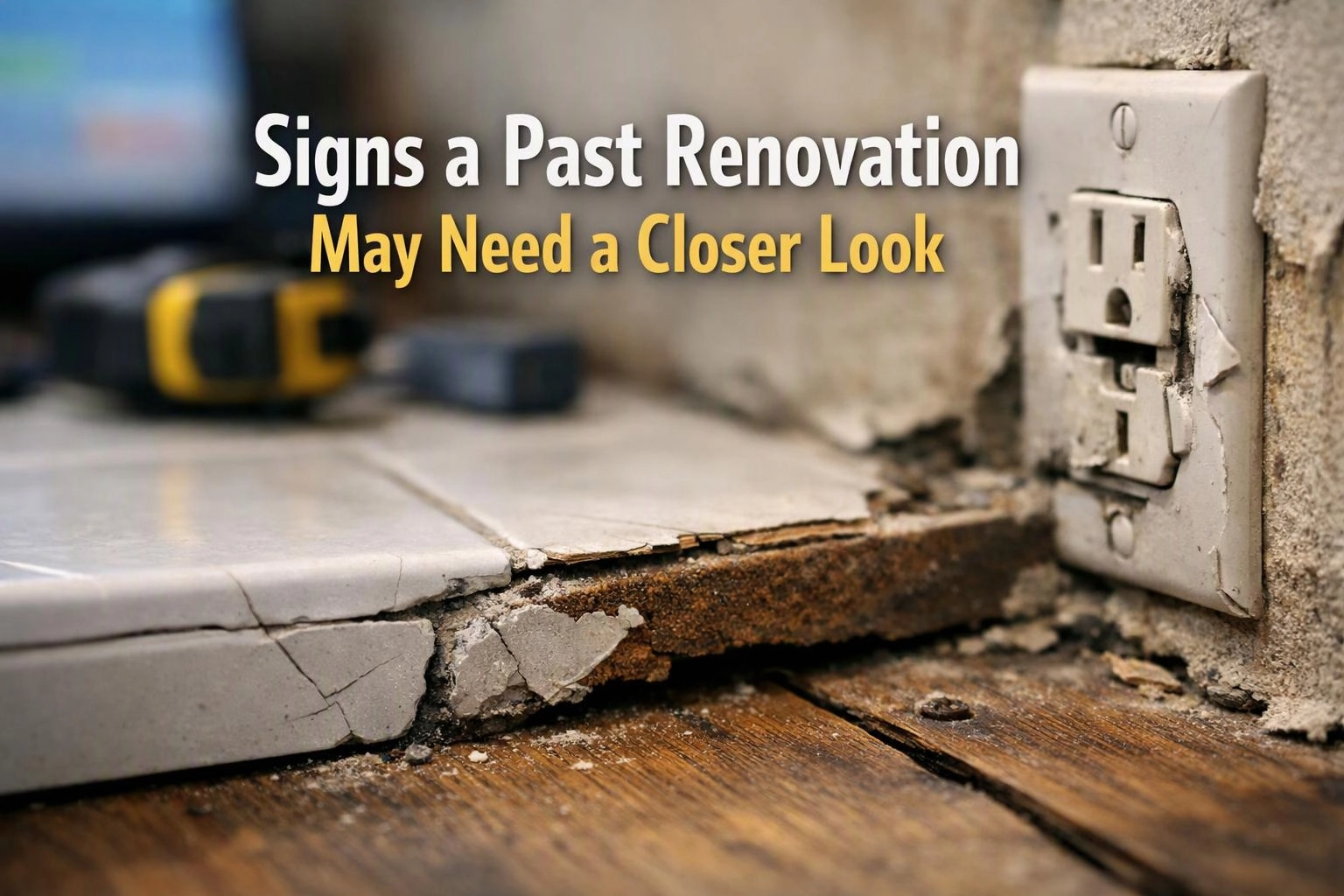
Poor workmanship often appears as uneven surfaces, open joints, visible cracks, or weak finishes. These signs don't prove one cause by themselves. They show where the work needs a closer review.
A rushed renovation may leave out surface preparation, proper drying time, or final adjustments. Hidden moisture, subfloor movement, and incomplete repairs can also affect the visible finish.
We trace each defect back to the material and installation method. Our team then separates a cosmetic repair from work that needs deeper access.
Quick Signs That Deserve a Closer Look
Visible defects can point to a small finish issue or a larger building problem. The pattern, location, and movement help us decide what to inspect next.
| Visible sign | Possible concern | Skill needed |
|---|---|---|
| Uneven tile or open grout lines | Poor layout, movement, or weak tile substrate | Tile repair |
| Wall cracks or drywall seams | Joint failure, movement, or moisture damage | Drywall repair |
| Soft flooring or uneven floors | Subfloor movement or moisture intrusion | Floor repair |
| Sticking doors or uneven trim | Movement, moisture, or poor alignment | Finish carpentry |
| Paint defects or visible patchwork | Weak surface preparation or material mismatch | Paint and finish repair |
Uneven Tile and Grout Lines
Uneven tile can result from poor layout, tile lippage, or an uneven substrate. Open grout joints may also show that the tile base moved or was not prepared well.
We check the tile layout, grout joints, and surrounding surfaces before planning tile repair. The repair may involve resetting selected tiles, correcting the substrate, or replacing damaged materials.
Cracked or Bulging Drywall
Cracked drywall often starts at seams, corners, or repaired areas. Bulging can point to moisture damage, loose fasteners, or movement behind the wall.
We look at the joint compound, drywall seams, and nearby surfaces. Our drywall repair plan addresses the cause first, then restores the surface and prepares it for paint.
Soft or Uneven Floors
Soft floors can indicate subfloor movement, weakened materials, or moisture intrusion. A floor that feels uneven may also have poor support beneath the finished flooring.
We inspect the floor feel and the accessible subfloor areas. Our floor repair scope may include removing finish materials, correcting the base, and restoring the flooring.
Sticking Doors and Misaligned Cabinets
Sticking doors and misaligned cabinets can follow settlement, moisture movement, or inaccurate installation. Changes around the frame can reveal movement beyond the door itself.
We check door operation, jamb alignment, hinges, and cabinet gaps. Our repair may involve adjustment, trim work, or correction of the supporting surface.
Gaps Around Trim and Finish Carpentry
Trim gaps often appear at baseboards, casing, and miter joints. They can result from rushed cuts, shifting walls, or poor fastening.
We match the existing profile and inspect each joint before completing trim carpentry. The fix may include recutting, fastening, caulking, and paint touch-up.
Wavy Walls and Uneven Paint
Wavy walls usually reflect weak surface preparation, uneven drywall, or inconsistent wall texture. Poor paint coverage can make those flaws easier to see.
We inspect the surface under normal and angled light. Our finish carpentry and paint work begins with preparation, so the repaired area blends with the surrounding wall.
Loose Fixtures and Incomplete Details
Loose hardware, unfinished edges, and missing caulk are common signs of an incomplete renovation. These details can allow movement or moisture to affect nearby materials.
We review fixture installation and create a focused punch list. Our crew secures loose parts, finishes exposed edges, and applies caulk where the joint requires it.
Mismatched Materials and Visible Patchwork
Visible patchwork can show that replacement materials, colors, or textures don't match the original work. The mismatch may be cosmetic, but it can also mark an unfinished repair.
We compare the existing material with available replacement materials. Our team plans the repair around color variation, texture mismatch, and the condition beneath the patch.
How to Check Renovation Problems Without Making Them Worse
A safe visual review can document defects without opening walls or disturbing finishes. Stop when a problem suggests hidden moisture, structural movement, or regulated electrical or plumbing work.
HomeRemodelBellevue.com reviews the evidence and checks related materials before recommending work. We don't rely on one isolated defect to define the entire renovation.
When to Call HomeRemodelBellevue.com
Call HomeRemodelBellevue.com when a visible defect may involve more than a simple touch-up. Our remodeling assessment helps connect the surface problem to the repair skill it needs.
We handle repair planning across connected finishes, including drywall, flooring, cabinets, doors, and trim.
How We Plan the Right Repair
Our condition assessment identifies the visible defect, the likely cause, and the materials affected. We then define a repair scope that fits the actual condition.
Material matching matters when old tile, grout, paint, trim, or flooring must blend with existing work. We review available replacement materials and explain where a close match may differ.
Surface preparation controls the final finish quality. Our team corrects loose or uneven bases before applying drywall compound, paint, caulk, tile, or trim.
The remodeling estimate reflects the access, preparation, removal, material matching, and finish work involved. For connected room issues, our planning can include bathroom remodeling when a limited repair no longer solves the problem.
HomeRemodelBellevue.com explains the work in clear stages so you can decide how much of the renovation needs repair. We focus on restoring sound surfaces and consistent finish quality.
Questions About Past Renovation Problems
Can cosmetic renovation mistakes point to hidden damage?
Yes, cosmetic renovation mistakes can point to hidden damage when cracks, soft spots, or movement keep returning. HomeRemodelBellevue.com checks the visible finish and nearby materials before planning the repair.
What should I document before repairing poor renovation work?
Document cracks, uneven areas, open joints, soft flooring, sticking doors, and visible patchwork with clear photographs. Note where each defect appears and whether movement, moisture, or daily use makes it worse.
Can old renovation work be repaired without remodeling the whole room?
Yes, old renovation work can often be repaired without remodeling the whole room when the surrounding materials are sound. We inspect the affected area and define a focused repair scope before recommending broader work.
Request a Remodeling Assessment
HomeRemodelBellevue.com can review poor finishes, hidden damage concerns, and incomplete renovation details. Contact us with photographs and a clear description of the problem so we can discuss the next step.
Get a Free EstimateRelated Resources
How to Choose a Home Remodeling Contractor in Bellevue
What Goes With ItCoordinating Paint, Flooring, Drywall, and Trim During a Remodel
Why It MattersHome Remodeling Benefits: Livability, Satisfaction, and Resale Considerations
Everything About ItLiving at Home During a Remodel: What to Plan For