Siding Damage Signs That Deserve a Closer Look
Siding repair or replacement usually depends on how far damage has spread and what lies behind it. HomeRemodelBellevue.com checks the siding, moisture path, and substrate before recommending the right option.
Request an Estimate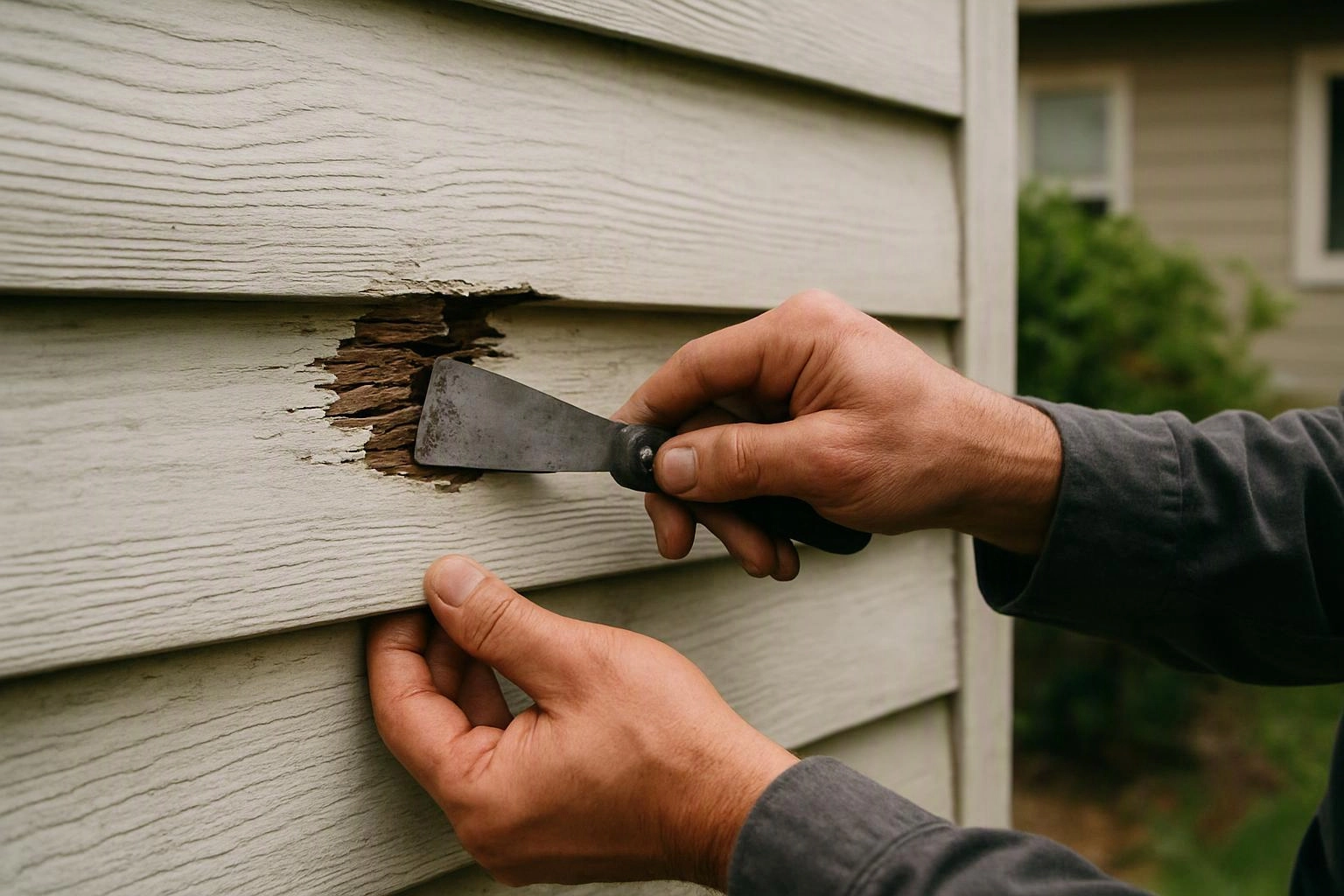
How Can You Tell Whether Siding Needs Repair or Replacement?
Siding damage usually calls for repair when the affected area is limited and the wall behind it remains sound. Replacement becomes more likely when damage spreads, moisture keeps returning, or the siding and substrate have both weakened.
We inspect the panels, joints, trim, and exposed edges. We also check for moisture intrusion and damage to the wall sheathing before setting the repair scope.
Use This Siding Damage Comparison Before Choosing a Fix
A siding damage comparison helps connect each visible sign with its likely cause, urgency, and repair or replacement path. The visible panel doesn't always show the full problem.
| Visible sign | Possible cause | Likely path |
|---|---|---|
| Cracked siding | Impact damage or freeze-thaw movement | Panel repair when damage is localized |
| Warped or buckled siding | Thermal movement, poor clearance, or moisture | Correction and possible replacement |
| Soft siding | Wood rot or water intrusion | Substrate inspection and repair |
| Recurring exterior stains | Mildew, algae, runoff, or failed flashing | Water-path correction and finish work |
| Loose siding | Wind damage or failed fasteners | Fastener and joint repair |
Mistaking Surface Cracks for a Cosmetic Problem
Cracked siding can allow water entry through the panel and behind the cladding. Impact damage and freeze-thaw movement are common reasons cracks appear.
We check nearby joints and the wall behind the crack. A siding panel repair may solve the issue when the damage stays localized, but broader moisture damage expands the scope.
Ignoring Warped or Buckled Siding
Warped siding can point to thermal movement, poor installation clearance, or moisture damage. Buckling across several panels deserves closer review.
We check panel spacing, fastening, trim, and the moisture path. The fix may include installation correction, panel replacement, or wall preparation.
Treating Soft Siding as Only a Panel Issue
Soft siding can mean the panel and the wall behind it have weakened. Wood rot and water intrusion may affect the wall sheathing or other substrate.
We remove affected material as needed and inspect the substrate condition. Our repair scope addresses the damaged wall before new siding covers it.
Painting Over Recurring Exterior Stains
Recurring exterior stains often return because the water path remains active. Mildew, algae, water runoff, and failed flashing can all leave marks.
We trace the stain toward its source and inspect nearby flashing. Cleaning and finish work help only after the cause receives attention.
Leaving Loose or Gapped Siding in Place
Loose siding and open joints can let wind-driven water reach the wall. Wind damage and failed siding fasteners can create these gaps.
We check the affected panel, adjoining joints, and fasteners. We then secure or replace the damaged sections and restore the water-shedding details.
Replacing One Panel Without Checking the Surrounding Wall
Localized siding repair can miss hidden moisture, damaged wall sheathing, or wet house wrap. Nearby panels may also show related movement or staining.
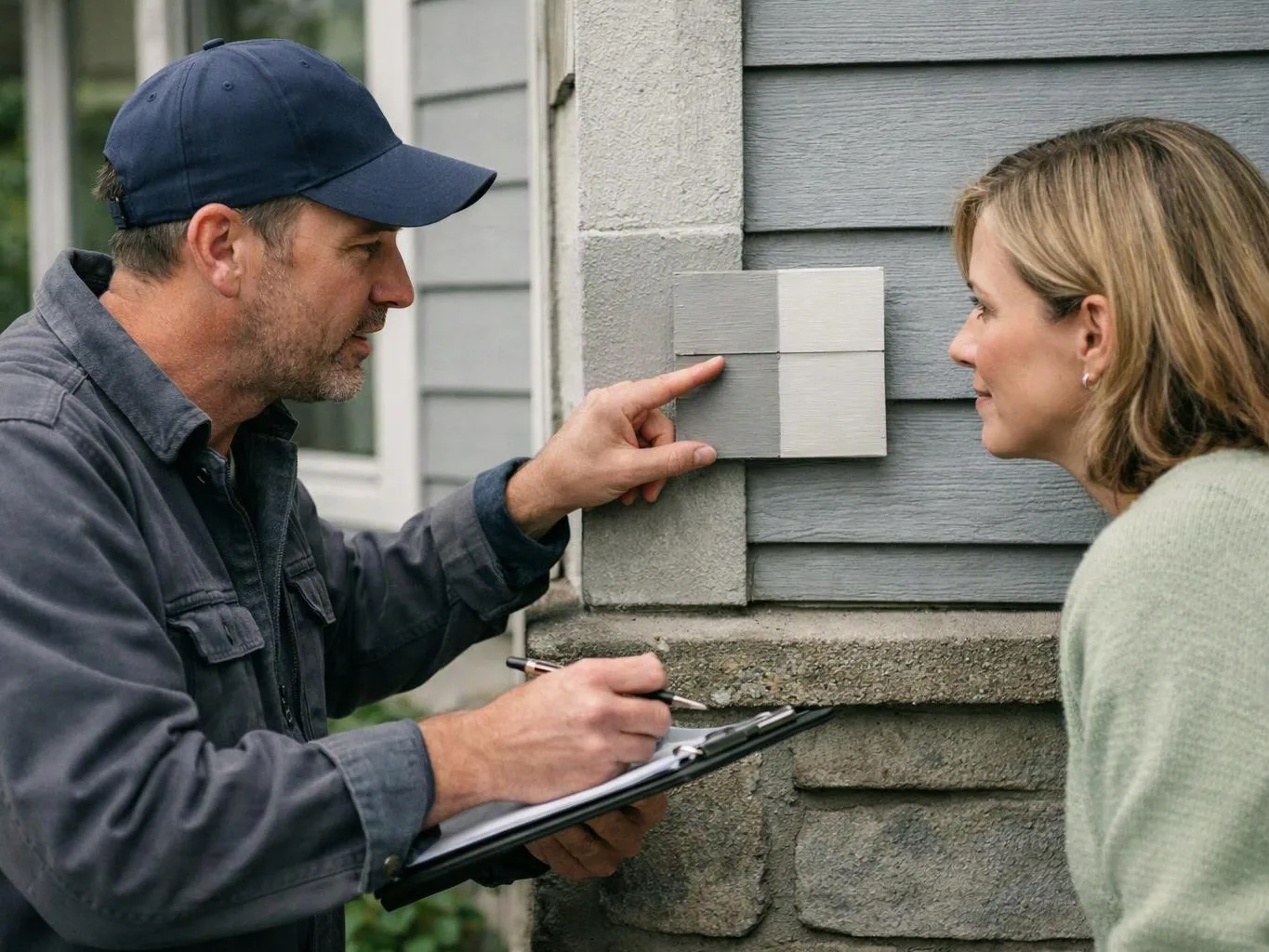
We inspect the surrounding wall before choosing a replacement panel. Material matching includes color, profile, texture, and visible trim details.
Assuming Faded Siding Always Needs Replacement
Faded siding does not always mean the material has failed. UV exposure may affect the finish while the siding remains firm and watertight.
We assess the material condition, surface finish, joints, and substrate. Siding replacement becomes appropriate when fading joins cracking, warping, softness, or finish failure.
Delaying Repairs After Siding Damage Appears
Deferred siding maintenance can give moisture intrusion more time to cause rot and affect insulation. Small visible problems can therefore lead to a broader repair scope.
We identify the active moisture path and separate surface damage from hidden conditions. Our recommendation reflects what the exterior wall needs now.
What Does Our Siding Inspection Check?
Our siding inspection checks the visible damage and the wall conditions that may have caused it. We focus on the exterior wall, moisture path, wall sheathing, flashing, and siding installation.
When Should You Call HomeRemodelBellevue.com Instead of Handling Siding Damage Yourself?
Call HomeRemodelBellevue.com when siding damage involves unsafe access, hidden moisture, widespread failure, or uncertain repair limits. Our crew handles the inspection and installation work without asking you to test unsafe areas.
We also review siding installation details when the cause isn't clear. That helps keep a small repair from hiding a larger wall problem.
How Do Repair and Replacement Recommendations Affect the Project?
Repair focuses on the damaged area, while replacement can include broader removal, wall preparation, material coverage, and finish matching. The project cost depends on the siding material, damage extent, access, hidden conditions, and selected replacement scope.
We explain each part of the labor scope before work begins. Our team also separates necessary wall preparation from optional finish choices.
What Should a Siding Repair or Replacement Quote Include?
A siding quote should explain the damaged areas, material selection, removal, wall preparation, installation work, and finish details. We can provide an exact quote after reviewing the siding and conditions at the property.
Our quote connects the inspection findings to the recommended installation scope. It should also show whether the work is a localized repair or a broader replacement.
Plan the Right Siding Repair or Replacement
Our team connects visible warning signs with the repair or replacement scope that protects the exterior wall. We review the material, moisture path, substrate condition, and finish before work begins.
Read about our Siding Installation service when replacement is the better path. Contact HomeRemodelBellevue.com to discuss the siding damage and request a quote.
Questions About Siding Damage and Replacement
Can cracked siding be repaired without replacing the whole wall?
Yes, cracked siding can often be repaired when the damage is localized and the wall behind it remains sound. HomeRemodelBellevue.com checks nearby panels, moisture paths, and wall sheathing before approving a panel repair.
Why does siding keep getting stained after cleaning?
Siding keeps getting stained when moisture, runoff, mildew, algae, or failed flashing continues affecting the surface. We trace the water path and correct the related siding or flashing problem before recommending finish work.
Can soft siding mean there is rot behind the wall?
Yes, soft siding can signal wood rot or water intrusion behind the panel. We inspect the substrate, wall sheathing, and house wrap so the repair addresses hidden moisture.
Is warped siding caused by moisture or installation problems?
Warped siding can result from moisture, thermal movement, or installation problems such as poor clearance. We check the panels, fasteners, joints, trim, and moisture path to identify the repair scope.