Basement Moisture Warning Signs to Address Before Remodeling
Basement moisture signs before remodeling include musty odors, peeling paint, wall stains, damp materials, and white powder deposits. HomeRemodelBellevue.com checks the moisture source and affected surfaces before recommending basement remodeling, drywall installation, or drywall repair.
Request an EstimateWhy Basement Moisture Must Be Checked Before Remodeling
Basement moisture must be checked before remodeling because hidden water can damage new drywall and finishes. Water damage may remain inside framing, wall cavities, flooring, or insulation.
We trace the moisture source before planning basement remodeling. Our team checks whether water enters through walls, floors, windows, plumbing, or poor drainage.
New finishes can hide the problem without solving it. We repair or remove affected materials before drywall installation and other basement finishing work.
Explore our Basement Remodeling service to see how moisture checks fit into the construction sequence.
Basement Moisture Warning Signs at a Glance
Visible and hidden signs can point to different moisture problems. We compare each sign with the surface affected and the inspection focus.
| Warning sign | What it may suggest | What we check |
|---|---|---|
| Musty odor | Damp materials or hidden moisture | Wall cavities, flooring, and the moisture source |
| Peeling or blistering paint | Wall moisture or poor surface bonding | Surface condition and drywall damage |
| Wall or ceiling stains | Leaks or water entry | Plumbing, windows, drainage, and stain recurrence |
| White powder | Efflorescence from moisture movement | Masonry walls and water intrusion |
| Damp drywall or flooring | Active or past water damage | Framing, subfloor, and damaged materials |
| Mold-like growth | Moisture near organic materials | Affected surfaces and air movement |
| Condensation | Humid air meeting cold surfaces | Ventilation, humidity, and pipe moisture |
| Floor moisture | Water through cracks or a wet subfloor | Floor cracks, carpet, and flooring materials |
Ignoring a Musty Smell
A musty odor can come from hidden moisture in damp materials. Mold-like growth may also affect air quality when moisture remains trapped.
We look behind accessible finishes and around floor edges for signs of water entry. Our team addresses the moisture source before new materials cover the area.
Painting Over Peeling Paint
Peeling paint often points to wall moisture, weak adhesion, or poor surface preparation. Blistering paint can return when moisture continues behind the coating.
We remove loose material and assess the wall before applying a finish. If the backing is damaged, our crew completes drywall repair before painting.
Covering Water Stains Without Finding the Source
Water stains on a ceiling or wall can return when leaks or water entry remain active. A covered stain can also hide damage inside the wall or ceiling.
We trace the likely entry path and inspect nearby plumbing, windows, and drainage conditions. We repair affected surfaces after the source assessment is complete.
Treating White Powder on Basement Walls as Dirt
Efflorescence is a white powder that forms when moisture moves through masonry and carries dissolved minerals to the surface. It can signal water intrusion through basement walls.
We check the masonry, nearby grading, drainage, and interior moisture patterns. Cleaning the powder alone doesn't address the movement of water.
Installing Drywall Against a Damp Wall
Damp drywall or framing can trap moisture inside wall cavities. That moisture can cause swelling, soft drywall, odors, and damage to finished surfaces.
We assess the wall before drywall installation and identify materials that need removal. Our crew plans framing and drywall work only after the affected area is ready for basement finishing.
Leaving Wet Flooring Under a New Finish
Damp flooring can damage carpet, flooring materials, and the subfloor beneath them. Floor cracks may also allow water to enter during wet conditions.
We inspect the basement floor, edges, and visible cracks before installing a new finish. The repair path depends on the water damage and the condition of the subfloor.
Mistaking Condensation for a Plumbing Leak
Condensation forms when humid air meets cold surfaces, while a plumbing leak releases water from a pipe or fitting. Both can leave pipe moisture and nearby damage.
We compare the location, pattern, and timing of the moisture. Our team also checks ventilation and plumbing areas before choosing a repair path.
Starting the Remodel Before Moisture Repairs Are Complete
Starting basement remodeling before moisture repairs are complete can damage drywall installation and other finished surfaces. The construction sequence matters because new work can block access to the source.
We complete the moisture assessment first, then plan drywall repair, removal, and installation. Our team coordinates the work so repairs support the final remodeling scope.
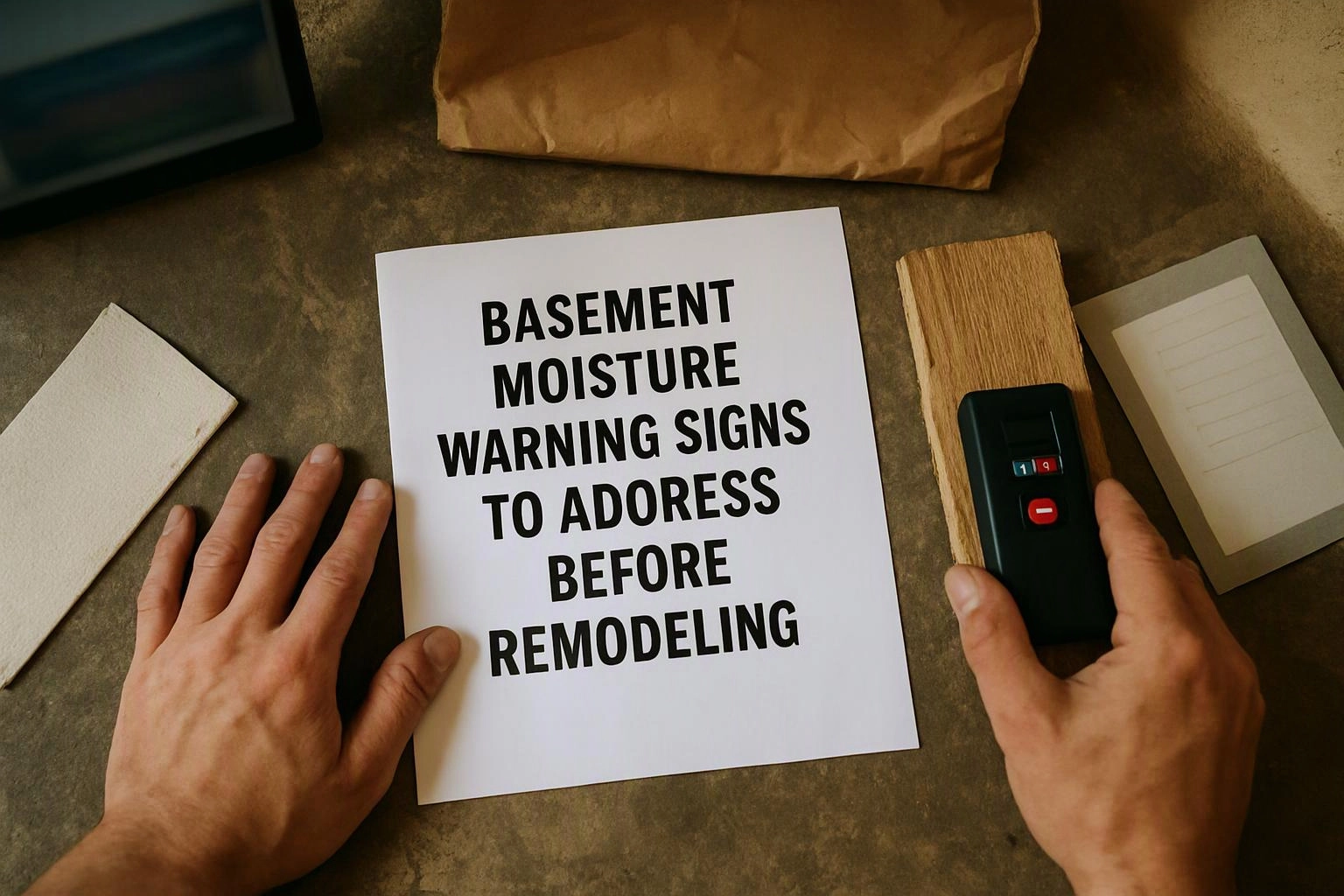
What to Check Before Finishing a Damp Basement
A damp basement needs a full moisture review before finishing work begins. We inspect each area that could allow water entry or hide damage.
When to Call HomeRemodelBellevue.com Before Remodeling
Call HomeRemodelBellevue.com before remodeling when moisture signs could affect safety, durability, or the repair scope. We help connect visible damage with the work needed before finishing.
How HomeRemodelBellevue.com Addresses Moisture Before Basement Remodeling
HomeRemodelBellevue.com begins with a moisture inspection and source assessment before recommending basement remodeling. We review visible signs, affected materials, and the planned finish.
Our crew identifies damaged material that may need removal before drywall repair or drywall installation. We also review framing, wall cavities, flooring, and access conditions.
We then explain the repair scope and the construction sequence. Your project estimate reflects the work needed for preparation, repairs, installation, and selected finishes.
Moisture-related work may involve plumbing, drainage, or structural concerns. When the work falls outside remodeling scope, we explain which licensed trade must address it before our work continues.
What Changes the Cost of Moisture-Related Basement Work
Moisture-related basement work depends on the water source, affected materials, repair scope, access, and selected finishes.
The moisture source can change the work from surface preparation to material removal and repair. The damage location also matters because walls, ceilings, floors, framing, and subfloors require different approaches.
Damage extent affects whether we complete drywall repair, drywall replacement, framing work, or broader preparation. Access conditions can also affect how our crew removes damaged materials and brings in new ones.
Finish materials and the final project scope shape the estimate. We review these factors with you and provide an exact project estimate after assessing the basement.
Questions About Basement Moisture Before Remodeling
Can a musty smell in a basement come from hidden moisture?
Yes, a musty smell can come from hidden moisture in walls, flooring, framing, or other damp materials. HomeRemodelBellevue.com checks the odor area and traces the moisture source before remodeling work begins.
What does white powder on basement walls mean?
White powder on basement walls often means efflorescence, which forms when moisture moves through masonry. The powder can point to water intrusion that needs assessment before the wall is covered.
Can peeling basement paint be repaired before remodeling?
Yes, peeling basement paint can be repaired before remodeling when the wall is dry and the surface is properly prepared. We address the moisture source and damaged backing before applying new finishes.
Should damaged drywall be removed before basement finishing?
Yes, damaged drywall should be assessed before basement finishing because soft or swollen material can hide ongoing moisture damage. We determine what needs removal and plan drywall repair or drywall installation around the source.
Basement remodeling should begin with a clear moisture assessment, not new finishes over old damage. Contact HomeRemodelBellevue.com to discuss the moisture source, repair scope, and next steps for your project.
Related Resources
How to Choose a Home Remodeling Contractor in Bellevue
What Goes With ItFinished Basement or ADU? How to Choose the Right Kind of Space
What Goes With ItCoordinating Paint, Flooring, Drywall, and Trim During a Remodel
Why It MattersHome Remodeling Benefits: Livability, Satisfaction, and Resale Considerations